
About primeviewra
Who we are, how we teach camera composition and studio production, and what guides the way we work from our base in Moss.
An independent place to learn the camera properly
primeviewra began in 2016 in Moss as a small training project for adults who wanted to understand camera composition rather than guess at it. We teach framing, lens choice, exposure, focus, monitor setup and controlled camera movement. We remain independent of camera makers, broadcasters and film schools.
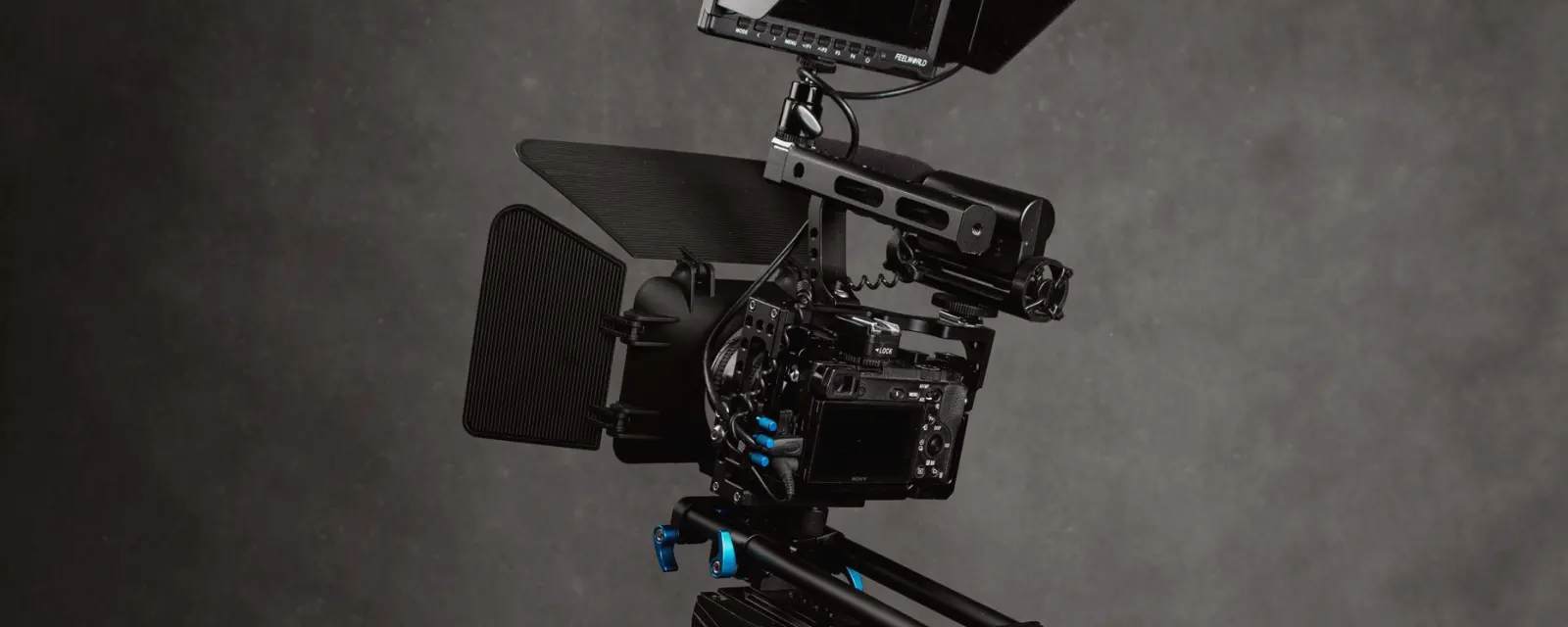
The idea was simple: many adults pick up a camera and learn only a few buttons, never the reasons behind a good frame. We wanted to explain those reasons in plain language, with examples you can repeat in a small room with modest equipment.
Over the years the material grew into courses on composition, written camera guides, equipment basics, practical exercises and studio setup checklists. Each part is written to be useful on its own, so you can start where your questions are rather than at page one.
We keep the teaching practical. Guides use clearly labelled example diagrams, and exercises can be repeated at home. Where a setup is shown, we describe what each element does in the frame, so you can recreate the idea with your own gear rather than copy a recipe.
Because we are independent, we have no reason to push any brand. We explain how tripods, lenses, monitors and lighting stands work in general, and leave the buying decisions to you. That keeps the advice honest and the focus on understanding.
We are a small team in Moss, and we write, test and revise everything ourselves. Our courses do not promise jobs or certificates. They aim to give you clear habits in framing, exposure and preparation that you can use in any studio.
What guides the way we teach and write
Teaching a technical craft goes wrong when it is vague, tied to a product or too hard to repeat. Our daily choices come from wanting adults to leave a lesson able to do something they could not before. The principles below show how that works in practice.
Practical
Everything we publish is meant to be used. A guide ends with something you can try, an exercise can be repeated at home, and a checklist is short enough to follow before a recording. We test setups and diagrams before they go out, and we cut anything that only sounds impressive.
Independent
We are not tied to camera makers, broadcasters or film schools, and we say so plainly. That lets us explain tripods, lenses and monitors by what they do rather than by brand. It also means we make no promises about jobs or certificates, and we do not invent credentials.
Clear
We write in plain language and label our diagrams so you know what you are looking at. A new term is explained the first time it appears, and each section has one job. If a topic can be shown in a simple example, we choose that over a long explanation.
How our approach took shape
primeviewra
- Founded
- 2016
- Today
- 2026
-
Start from the frame
We begin every course with framing, because composition decides what the viewer sees. Headroom, eyeline and depth come first, before any discussion of settings or gear.
-
Explain the lens
Focal length changes perspective, background and distance. We show the same scene at different focal lengths with labelled diagrams, so the effect is clear before you buy anything.
-
Control exposure by hand
Exposure drills teach one setting at a time. Changing a single value and watching the result builds a habit that carries into any camera and any lighting.
-
Read the monitor
A monitor tells you more than the eye does in a busy room. Our guides explain what to check on screen and how to judge focus and brightness.
-
Move the camera deliberately
Tripod movement practice teaches smooth, planned pans and tilts. Each exercise asks you to decide the start and end of a move before you begin.
-
Check before you roll
The setup checklists grew from small mistakes that cost takes. They cover camera, light, sound and monitor, so a studio is ready before recording starts.
What primeviewra offers, set out simply
We prefer plain facts to large claims. primeviewra has taught since 2016 from Moss, and it is run by three people who write, edit and design the material. The figures below describe the work as it stands today.
- Founded
- 2016
- Service areas
- 5
- Team profiles
- 3
- Based in
- Moss