
How Often Should You Repeat a Practical Exercise Before Moving On?
Magnus Berg
5 min read
The question we hear most about our exercises is how many repetitions are enough. Here is a plain answer for exposure drills, tripod practice and shot-planning worksheets, written for early spring.
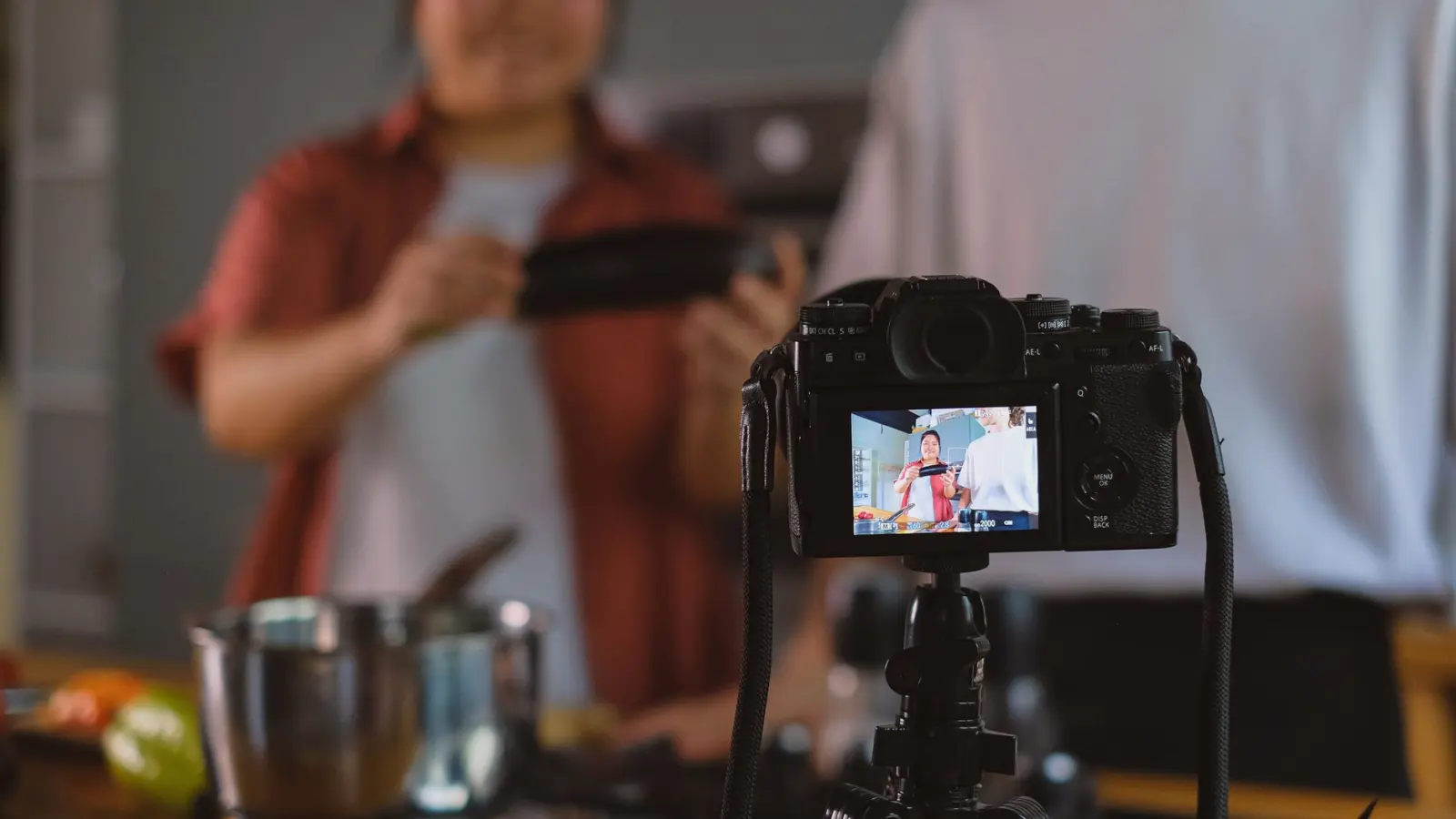
The question we get most often
Almost every message we receive about the exercises ends up in the same place: how many times should I do this before I can say I have learned it? It sounds like a simple question, and people expect a number. I am Magnus, I design the exercises, and I would like to give you one, but the honest answer depends on what the exercise trains.
An exposure drill trains your hands and your eye to agree with each other. A tripod movement exercise trains a smooth physical habit. A shot-planning worksheet trains a way of thinking before you press record. These three behave differently over time, so they need different amounts of repetition, and mixing them up is the most common reason people feel stuck.
In the paragraphs below I go through each one, say what a useful session looks like, and describe the signs that tell you it is time to move on. Early spring suits this work well, since the light changes quickly and gives you real variety to practise against.
Exposure drills: repeat until the monitor stops surprising you
An exposure drill asks you to set aperture, shutter speed and sensitivity, check the monitor, and correct. The goal is not a perfect image on the first attempt. The goal is that your first guess lands close, and that you know which single setting to change when it does not.
Most people need around five or six short sessions before this feels natural. A session can be as brief as fifteen minutes with one subject near a window. Repeat the same scene at three different times of day so you see how much the light moves, and write down your starting settings each time.
You are ready to move on when your first setting needs only one small adjustment, and when you can explain why you made it. If you still change three things at once, stay with the drill a little longer. Speed matters less than knowing what each change does to the picture.
- Keep the subject and position fixed so only the light changes
- Write down the first settings before you look at the monitor
- Change one setting at a time and note the result
Tripod movement: short and often beats long and rare
Controlled camera movement is a physical skill, and physical skills fade quickly if you leave them for weeks. A pan or tilt that starts and stops smoothly depends on how you hold the handle, how you place your feet and how you breathe, none of which you can learn by reading.
For this exercise we suggest ten minutes, three or four times a week, rather than one long evening. Start with a slow pan between two marked points, then repeat it with a gentle ease at the start and the end. Review each take on the monitor and look only at where the movement begins and stops.
After about two weeks most people notice that their stops are clean and their speed is steady. At that point you can add a tilt, or follow a person walking. If the frame still drifts at the end of every move, check the tripod head friction before you blame yourself.
- Mark the start and end points on the floor or wall
- Loosen or tighten head friction until the move feels even
- Review the start and stop of each take, not the middle
Shot-planning worksheets: do them until planning is faster
A shot-planning worksheet is different again. It is not a drill, it is a habit of asking the same few questions before you record: where is the subject, how much headroom, which lens, where is the light coming from, and what do I want the viewer to look at.
We suggest filling in the worksheet for every setup during your first month, even simple ones. It will feel slow at first. By the fifth or sixth sheet you will find you already know most of the answers before you pick up the pen, which is exactly the point of the exercise.
Once that happens, you do not have to drop the worksheet. Keep it for new locations, new subjects or anything with more than one camera position. For a familiar setup you may only need a quick glance at your earlier notes to check that nothing has changed since last time.
Signs that you are repeating too much, or too little
Repeating too little shows up as inconsistency. One day your frames look right and the next they do not, and you cannot say why. That usually means the skill has not settled yet, and two or three more short sessions will help more than any new material.
Repeating too much shows up as boredom, and as results that stop improving. If your last four attempts look the same and you are no longer learning anything from the monitor, you have taken what the exercise can give you. Staying longer will only make you careful, not better.
A useful test is to hand the exercise to yourself a week later, cold, without warming up. If you can do it acceptably, it has stuck. If not, do a couple of refresher sessions and test again after another week. This costs little time and tells you more than counting repetitions ever will.
- Inconsistent results from day to day: repeat a little more
- Four identical results in a row: move on
- A cold attempt a week later is the honest check
There is no magic number, but there is a sensible rhythm: short sessions, spread over days, with one clear thing to look at each time. Do the exposure drill until your first guess is close, practise tripod moves little and often, and keep using the worksheet while planning still feels slow. Then move on without guilt. You can always return to an exercise later, and it will usually feel easier than you remember.
Keep reading
-

What "Ready to Roll" Actually Means Before You Press Record
A plain-words look at the phrase ready to roll, and the four things it covers in a small studio: camera, light, sound and monitor, checked in a fixed order.
-
Equipment Basics: what each piece does in a small studio
A plain look at how tripods, lenses, monitors and lighting stands each earn their place in a small studio, and what to check before you buy or borrow anything.
-
Reading a Monitor: What Clipping Warnings Actually Tell You
Zebras, false colour and clipping indicators are easy to switch on and easy to misread. A plain-words explanation of what each warning shows, and what it leaves out.