
Learn to frame, expose and light a shot with confidence
Independent courses, guides and exercises for adults who want to understand framing, lens choice, exposure, focus and monitor setup, and to practise them in a small studio at their own pace.
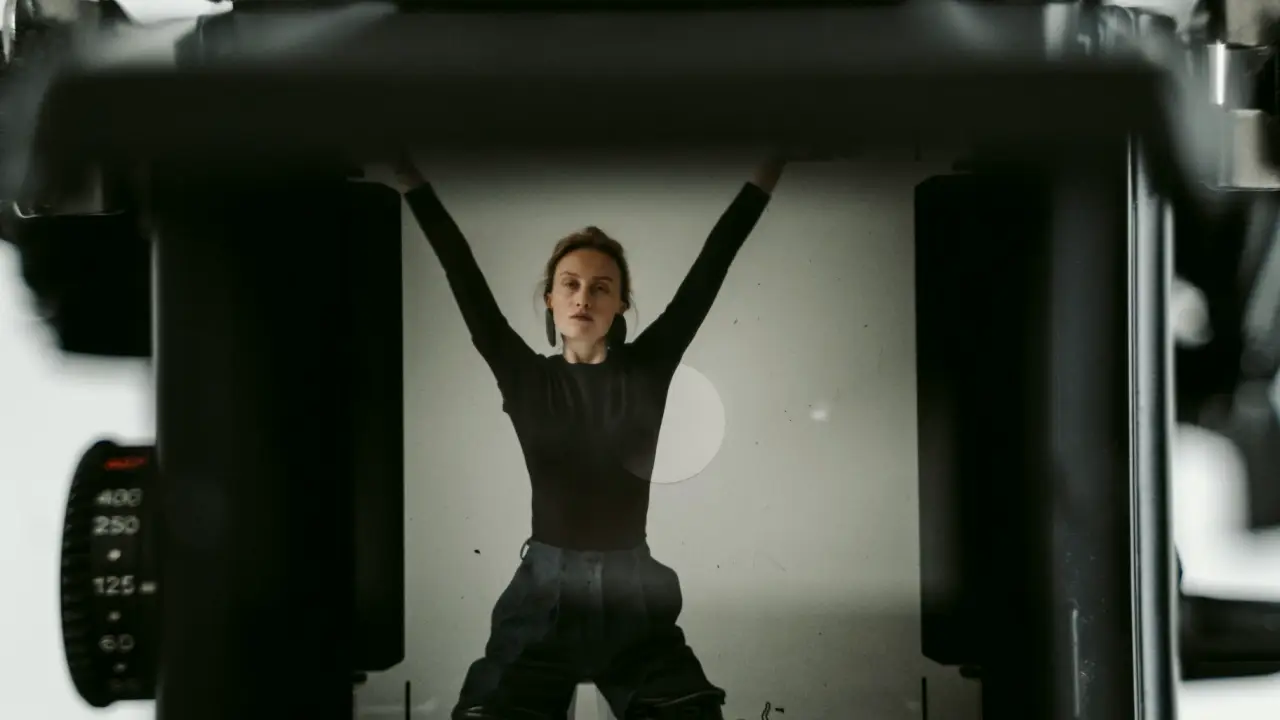
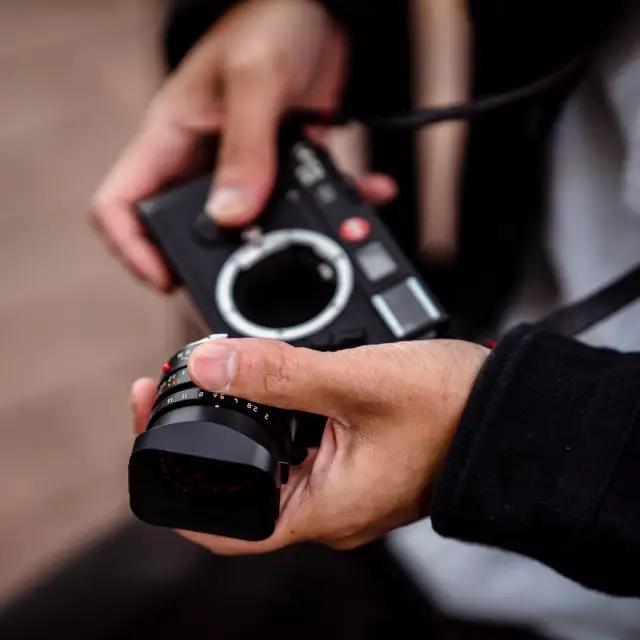
Five ways to build your camera skills
-
Camera Composition Courses
Structured courses on framing, the rule of thirds, headroom, depth and shot planning, built around portrait and interview setups. Each lesson builds on the one before it, so you can follow it step by step.
-
Camera Guides
Written guides on focal length, exposure, focus control and reading a monitor. Every guide uses clearly labelled example diagrams, so you can see what a setting changes before you try it yourself.
-
Equipment Basics
Plain explanations of tripods, lenses, monitors and lighting stands, and what each one does in a small studio. Useful when you are deciding what to learn first and what can wait.
-
Practical Exercises
Hands-on exercises such as exposure drills, tripod movement practice and shot-planning worksheets. You can repeat them at home as often as you like and compare your results over time.
-
Studio Setup Checklists
Pre-recording checklists covering camera, light, sound and monitor, so your studio setup is ready before you roll. Use them as written or adapt them to the space you have.
Scenes from a small studio setup
These scenes show the kind of equipment and setups our guides and exercises refer to. Each one points to a topic you can study in more detail in the courses and guides.
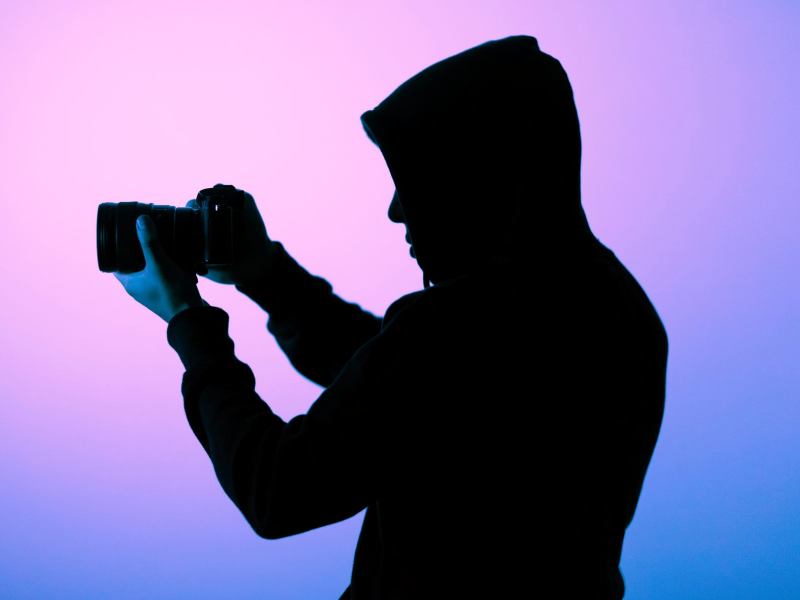
Framing a portrait at eye level
A portrait framed with attention to headroom and the position of the eyes. Our composition courses work through this kind of setup one decision at a time.
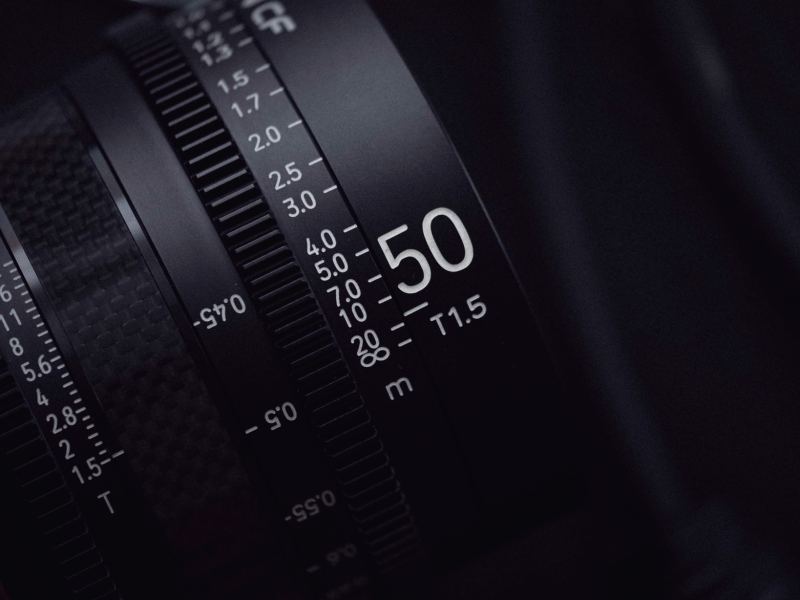
Comparing focal lengths side by side
Several lenses laid out to compare how focal length changes perspective and background. The camera guides explain what each choice does to the frame.
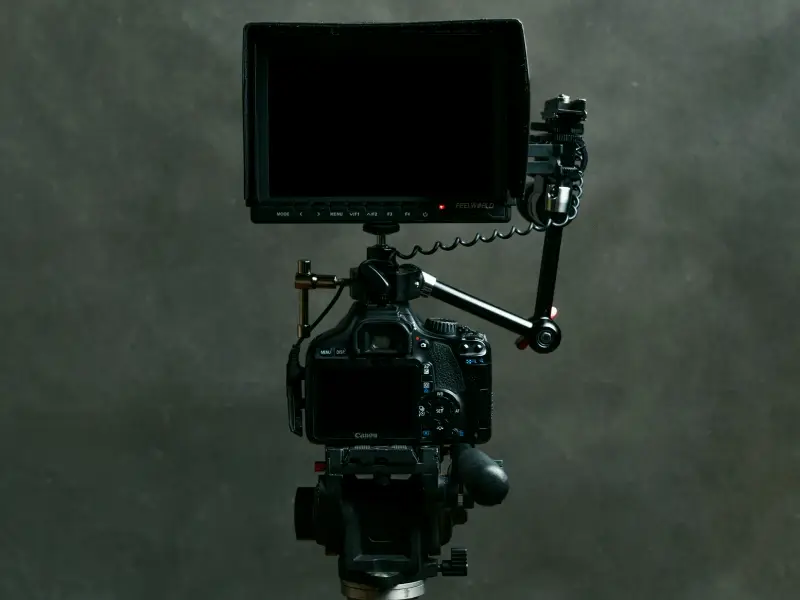
Camera on tripod with a monitor
A tripod-mounted camera feeding a studio monitor. This is the arrangement we use to explain reading a monitor and checking focus before recording.
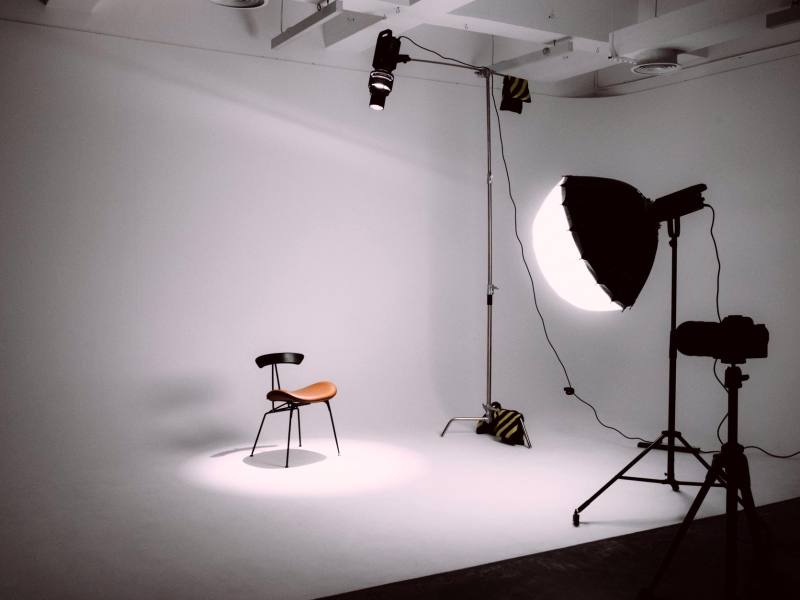
Softbox and backdrop for an interview
A single softbox placed to one side of a plain backdrop. The lighting guides use setups like this to show how placement shapes shadow and mood.
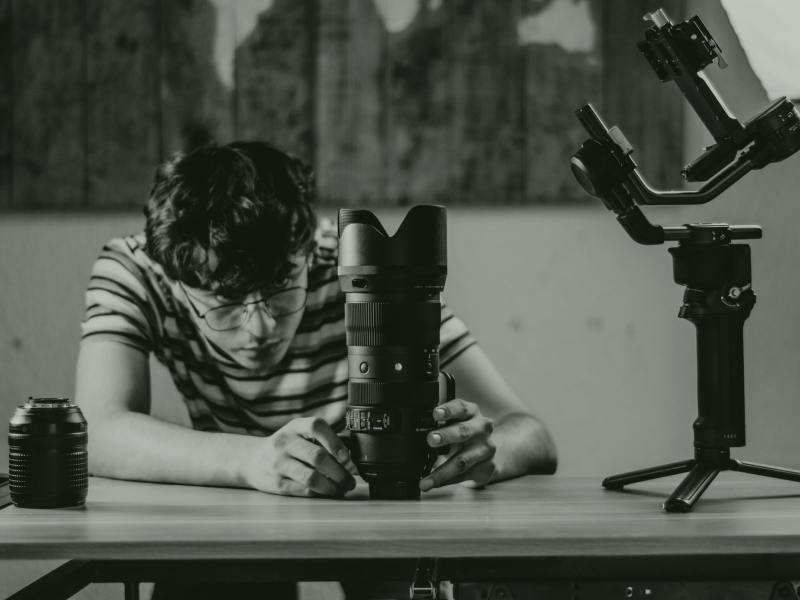
Adjusting exposure settings by hand
Aperture, shutter and sensitivity changed one at a time while watching the result. The exposure drills are built on this simple habit of changing a single setting.
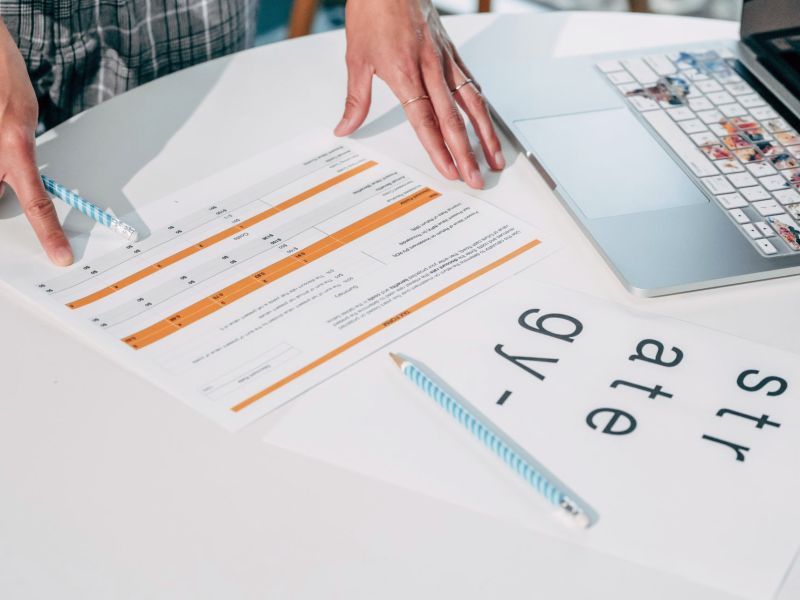
Planning shots on a worksheet
A shot list drafted on paper before any recording starts. Our shot-planning worksheets help you decide framing and movement in advance.
Camera Composition Courses, step by step
These courses are for adults who already own or can borrow a camera and want to frame portrait and interview shots deliberately. Each course is structured, moving from the basics of framing to planning a full set of shots.
Contact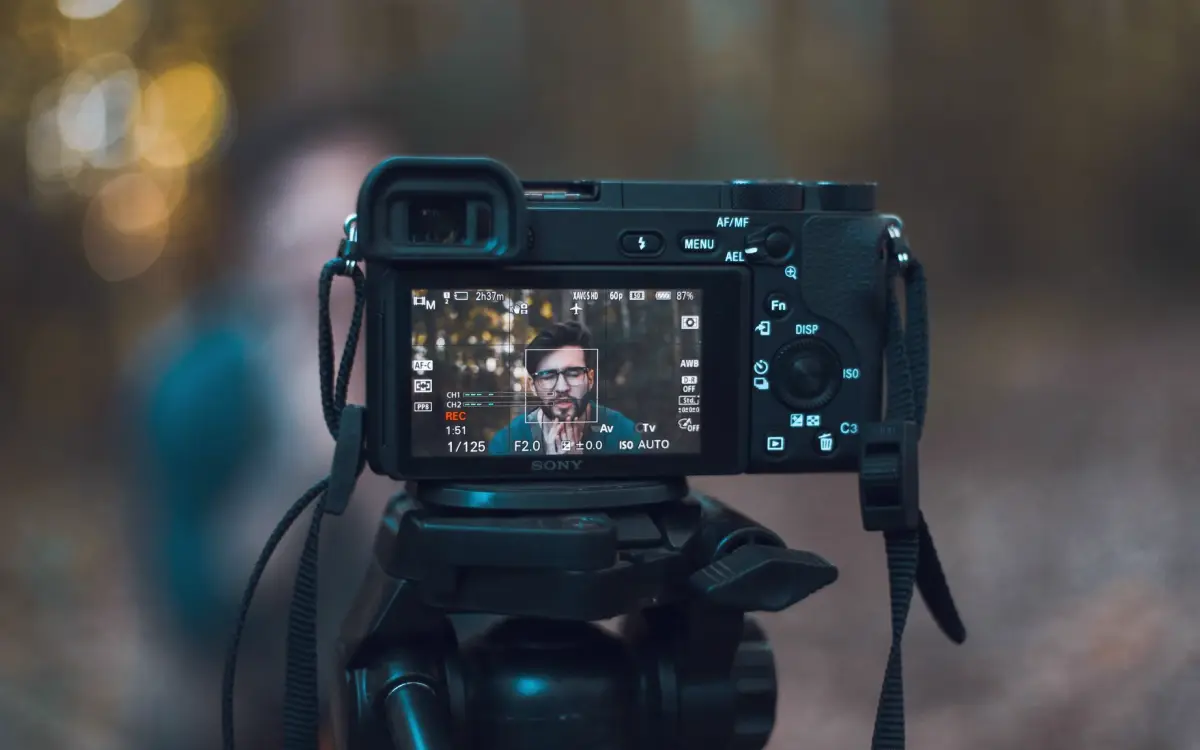
- Framing and the rule of thirds
- You learn where to place the subject, how to use the grid and when to break it. Exercises ask you to reframe the same scene several ways and compare them.
- Headroom and eyeline
- A short section on how much space to leave above the head and where the subject looks. It covers both portrait and interview setups with labelled example diagrams.
- Depth and background
- You see how distance, lens choice and background choice separate a subject from its surroundings. The aim is a clear frame without clutter behind the person.
- Planning a set of shots
- The course ends with shot planning for a short interview. You draft a shot list, decide the framing for each shot and note the movement you want.
Bring any camera you can use manually, a tripod if you have one, and a notebook for your shot lists. No studio is needed to start.
From first lesson to a confident setup
The learning path is simple and you set the pace. You start with the basics, practise them with exercises and finish by checking a full studio setup before recording.
-
Choose a starting point
Pick a course or guide that matches what you want to learn first, whether that is framing, lenses or exposure. Each page says what it covers and what you need.
-
Read and study
Work through the written material and the labelled example diagrams. Take your time with each section so the ideas are clear before you pick up a camera.
-
Practise with exercises
Try the exercises at home: exposure drills, tripod movement and shot-planning worksheets. Repeat them until the settings and movements start to feel natural.
-
Review your results
Look at your own frames and compare them with the guide. Note what worked and what you would change, then repeat the exercise with one adjustment.
-
Run the setup checklist
Before any recording, go through the checklist for camera, light, sound and monitor. It helps you catch small problems before they cost you a take.
Frequently asked questions
Short answers to what new learners ask most often. If your question is not here, write to us through the contact page and we will reply.
Who is primeviewra for?
It is for adults in Norway who want to understand camera composition and studio production, whether as a hobby, for work or to prepare for their own projects. You do not need previous experience. The courses start with the basics of framing and build up step by step at a calm pace.
Do I need expensive equipment?
No. Most exercises can be done with a camera that allows manual settings, a tripod and a window or one lamp. The equipment basics explain what each item does, so you can decide what is worth buying later and what you can do without.
Are you connected to any camera maker or school?
No. primeviewra is an independent training platform. We are not affiliated with camera manufacturers, broadcasters or film schools, and we do not issue certifications. Our advice describes how equipment works in general rather than promoting any particular brand.
Will a course help me get a job?
We cannot promise that. Our courses teach practical skills in framing, exposure and studio setup, and we make no claims about employment. What you gain is a clearer understanding of how to plan and record a controlled, well-composed shot.
How are the guides and diagrams presented?
Guides are written in plain language, and each uses clearly labelled example diagrams to show framing, focal length or lighting positions. The diagrams illustrate the idea, so you can recreate the setup in your own space and compare your results.
Can I repeat the exercises?
Yes, and we encourage it. The exposure drills, tripod movement practice and shot-planning worksheets are designed to be repeated at home. Doing the same exercise a few weeks later is a simple way to see how much your control has improved.
How often do you publish new guides?
We publish about one article a month in the Camera Guides section. Each one covers a single topic, such as a lens choice, an exposure habit or a monitor setting, and is written to be read in one sitting.
How can I contact you?
Use the form on the contact page, write to [email protected] or call +47 69 25 41 36. Our address is Kirkegata 14, 1531 Moss. We aim to answer questions about the courses and guides clearly and without sales pressure.
Recent writing from the studio
-
Equipment Basics
Tripod, Lens, Monitor and Light Stand: What Each Does in a Small Studio
A practical walk through the four pieces of equipment most small studios start with, what each one is for, and how to set them up in a sensible order before you record.
-
Setup Checklists
A Studio Setup Checklist to Work Through Before You Decide
Before you buy anything or book a recording day, walk through camera, light, sound and monitor in a fixed order. This checklist shows what to look at and what can wait.
-
Composition
Five Framing Mistakes in Portrait Setups and How to Fix Them
Most weak portrait and interview frames come from a handful of repeat habits. Magnus Berg walks through five common mistakes from our composition courses and shows a simple correction for each.
Ask us about courses, guides or exercises
Tell us what you want to learn and what equipment you have. We will reply with a pointer to the course or guide that fits best, in plain language.
Contact-
Send a message
Use the form on the contact page or email [email protected].
-
Describe your goal
Say what you want to learn and which camera you use.
-
Get a clear reply
We answer with the course or guide we think suits you.